




Commercial buildings across Canada rely on professional floor cleaning equipment to maintain safe and hygienic environments. From shopping malls and hospitals to schools and warehouses, maintaining clean floors is essential for both public safety and operational efficiency.
However, operating a commercial floor scrubber without proper safety awareness can create serious risks. Slippery surfaces, improper machine handling, and lack of operator training can lead to accidents that affect both cleaning staff and building occupants.
Facility managers and maintenance teams increasingly recognize that floor scrubber safety is not only about protecting workers but also about preventing costly liability issues and operational disruptions. Many commercial facilities depend on equipment supplied by Cleaning Machines for daily cleaning tasks, making proper machine operation and safety practices even more important.
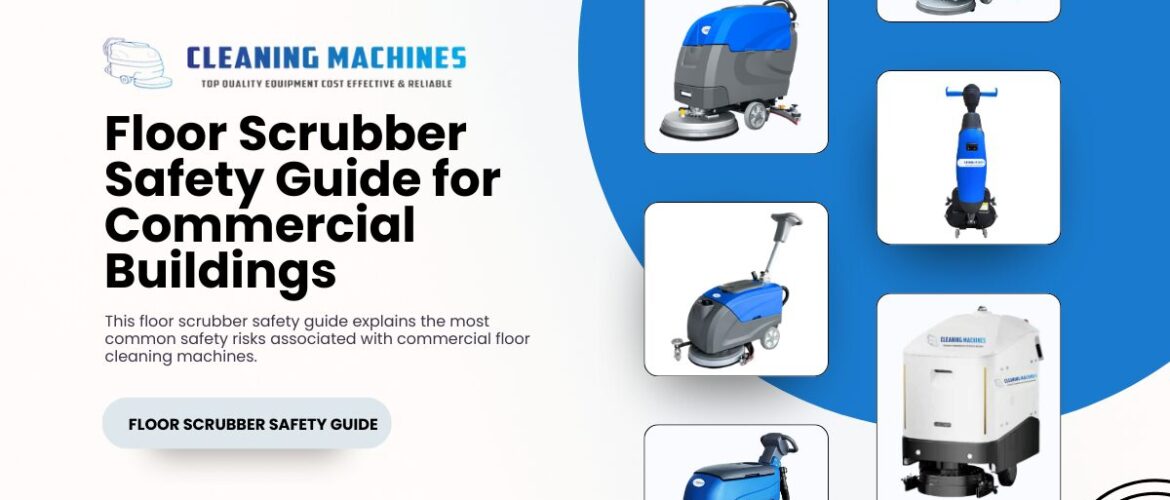
This floor scrubber safety guide explains the most common safety risks associated with commercial floor cleaning machines and provides practical solutions that facility teams can implement immediately.
Why Is Floor Scrubber Safety Important in Commercial Buildings?
Commercial environments often contain large floor areas with heavy foot traffic. If a scrubber machine is used incorrectly, it can create hazardous conditions instead of improving safety.
Improper operation of floor cleaning equipment can lead to several problems.
Slip and Fall Incidents
When a scrubber leaves excessive water on the floor or when warning signs are not placed properly, pedestrians may slip. This is particularly dangerous in locations like hospitals, shopping centers, and schools.
Operator Injuries
Operators can suffer injuries when machines are used incorrectly, especially when maneuvering heavy equipment in tight areas or turning too quickly.
Equipment Damage
Improper handling of commercial scrubbers can damage brushes, squeegees, or drive systems, increasing maintenance costs.
Water and Electrical Hazards
Spilled water near electrical equipment or improper battery handling can create safety hazards in commercial buildings.
Because of these risks, commercial floor scrubber safety should always be part of a facility’s operational procedures.
What Are the Most Common Safety Mistakes When Using Floor Scrubbers?
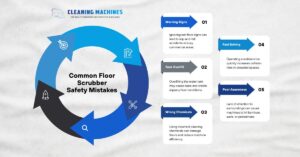
Many safety incidents occur because operators are unaware of basic operational guidelines. Even experienced cleaning staff may develop habits that increase risk over time.
Some of the most common mistakes include:
- Ignoring wet floor warning signs
- Overfilling water tanks
- Using the wrong cleaning chemicals
- Driving machines too quickly in crowded areas
- Poor attention to surroundings during operation
In smaller facilities such as office corridors or medical clinics, operators using compact equipment like the ScrubX 30 – Folding Hand Push Floor Scrubber often encounter tight spaces and furniture obstacles. Without careful maneuvering, machines can bump into walls, desks, or people passing nearby.
These seemingly small errors can quickly escalate into larger safety issues if not addressed through proper training and operational awareness.
How Should Operators Safely Use Walk Behind Floor Scrubbers in Busy Areas?
Walk Behind Floor Scrubbers are widely used in commercial facilities because they are versatile and easy to maneuver. However, cleaning in high-traffic environments requires additional safety precautions.
Retail stores, schools, and office buildings often remain active during cleaning operations. Operators must remain aware of pedestrians at all times.
Key safety techniques include:
- Reducing machine speed in crowded areas
- Keeping both hands on the control handle
- Avoiding sharp turns on wet floors
- Maintaining clear visibility of the path ahead
- Cleaning one section at a time rather than wide open areas
In medium-sized commercial facilities where machines such as the ScrubX 50 – Walk Behind Floor Scrubber are commonly used, operators should also plan cleaning routes carefully. Starting from the farthest section of the floor and working toward the exit prevents staff from walking across freshly cleaned surfaces.
Cleaning teams should also coordinate with facility management to clean during lower traffic periods whenever possible.
What Safety Checks Should Be Done Before Operating a Floor Scrubber?
A daily inspection routine is one of the most effective ways to prevent safety issues. Before starting any floor scrubber, operators should verify that the machine is functioning properly.
Below is a basic scrubber operation guide used by many commercial cleaning teams.
| Inspection Area | What Operators Should Check | Why It Matters |
| Brushes or Pads | Check for wear or damage | Worn brushes reduce cleaning performance and may damage floors |
| Squeegee System | Ensure rubber blades are intact | Proper suction prevents excess water on floors |
| Water Tanks | Verify correct fill level | Overfilling may cause leaks |
| Battery Connections | Inspect for loose cables | Loose terminals can cause electrical issues |
| Wheels and Drive System | Confirm smooth movement | Prevents loss of control during operation |
In larger commercial buildings, machines like the ScrubX 55 – Self-Driving Floor Scrubber may operate for extended periods across wide areas. Performing these inspection checks ensures that the machine runs smoothly without unexpected malfunctions during cleaning shifts.
Regular inspections reduce both safety risks and maintenance costs.
How Can Cleaning Teams Prevent Slip Hazards During Floor Cleaning?
Slip hazards are one of the biggest concerns when operating floor scrubbers. Wet floors can become dangerous within seconds if pedestrians are unaware of cleaning activity.
Cleaning teams should follow several practices to minimize this risk.
Use Visible Warning Signs
Warning signs should always be placed before cleaning begins. Signs must be visible from multiple directions so pedestrians can safely walk around the cleaning area.
Clean During Low Traffic Hours
Many facilities schedule floor cleaning early in the morning or late in the evening when foot traffic is minimal.
Ensure Proper Water Recovery
The vacuum system of the scrubber must remove most of the cleaning solution from the floor. A properly functioning squeegee system leaves floors nearly dry.
In environments where compact push machines such as the ScrubX 40 – Foldable Hand Push Scrubber are used, operators should clean in smaller sections to maintain better control over water usage.
Use the Correct Cleaning Chemicals
Some chemicals create excessive foam or residue, which can increase slip risks. Facility managers should always follow manufacturer guidelines for chemical dilution.
What Battery Safety Practices Should Operators Follow?
Many modern scrubbers operate on rechargeable battery systems. While batteries make machines more convenient, improper handling can create serious hazards.
Battery safety should always be included in any floor cleaning machine safety training program.
Common battery safety practices include:
- Charging batteries in well-ventilated areas
- Avoiding overcharging cycles
- Checking battery terminals for corrosion
- Ensuring cables are securely connected
- Allowing batteries to cool after heavy use
In autonomous or semi-autonomous cleaning environments, machines like the SScrubX Robotics S79 Indoor Commercial Floor Scrubbing Robot rely heavily on stable battery performance. Improper charging procedures could interrupt cleaning schedules or cause operational failures.
Proper battery maintenance ensures both safety and long equipment lifespan.
What Training Should Operators Receive Before Using Floor Scrubbers?
One of the biggest causes of accidents is lack of operator training. Even though scrubber machines appear easy to use, professional cleaning equipment requires basic operational knowledge.
Effective training programs usually include the following components.
Machine Control Training
Operators must learn how to start, stop, and maneuver the scrubber safely. This includes controlling speed and understanding turning radius.
Emergency Stop Procedures
Every operator should know how to stop the machine immediately if a person or obstacle appears in front of it.
Safe Turning and Maneuvering
Heavy machines can lose traction if turned abruptly on wet floors. Operators should learn gradual turning techniques.
Maintenance Awareness
Basic maintenance tasks such as emptying tanks and checking brushes should be part of daily routines.
In facilities with larger floor areas, cleaning staff may operate equipment like the ScrubX 45 – Walk Behind Floor Scrubber. Training helps operators maintain stable control while cleaning long corridors or wide commercial spaces.
Well-trained operators significantly reduce accidents and improve cleaning efficiency.
What Safety Practices Are Recommended for Self-Driving Scrubber Machines?
Self-driving scrubber machines are becoming more common in large facilities such as airports, warehouses, and shopping malls. These machines improve cleaning efficiency but still require human supervision.
Operators should follow specific safety practices when using semi-autonomous scrubbers.
| Safety Practice | Why It Is Important |
| Monitor machine movement during operation | Prevent collisions with pedestrians |
| Set restricted cleaning zones | Avoid sensitive areas |
| Maintain clear floor pathways | Prevent obstacles from interfering with navigation |
| Conduct software updates regularly | Ensures accurate navigation systems |
Some facilities use machines like the ScrubX 50D – Two Methods Self-Driving Scrubber to handle large cleaning tasks. Even with advanced navigation systems, these machines should always be supervised to ensure safe operation.
Autonomous technology can significantly improve cleaning productivity, but safety oversight remains essential.
Why Do Many Commercial Facilities Work with Cleaning Machines?
Commercial buildings require reliable cleaning equipment that can operate safely in demanding environments. Facility managers often work with experienced suppliers who understand the operational challenges of large-scale cleaning.
Cleaning Machines has developed extensive expertise in providing equipment solutions for commercial facilities across various industries. From hospitals and educational institutions to warehouses and retail centers, professional cleaning teams rely on durable machines that support safe and efficient floor maintenance.
Many facility managers choose Cleaning Machines because of their focus on:
- Reliable commercial-grade equipment
- Solutions designed for large cleaning environments
- Operational efficiency and safety support
- Equipment suited for different facility sizes
By combining equipment knowledge with practical cleaning expertise, Cleaning Machines supports organizations that want to maintain high safety standards while managing large cleaning operations.
Floor Scrubber Safety Checklist for Cleaning Teams
Facility managers often create standardized safety procedures to ensure consistent cleaning practices across their teams.
| Safety Step | Description |
| Inspect the machine | Check brushes, tanks, batteries, and squeegees |
| Place warning signs | Alert pedestrians before cleaning begins |
| Clean during low traffic hours | Reduce accident risk |
| Monitor water usage | Prevent overly wet floors |
| Train all operators | Ensure safe machine handling |
This type of structured checklist helps ensure that commercial floor scrubber safety practices remain consistent across different shifts and operators.
FAQs
What safety precautions should be followed when using a floor scrubber?
Operators should inspect the machine before use, place warning signs around the cleaning area, and avoid operating the scrubber in crowded spaces. It is also important to control water usage and ensure proper suction so floors are not left excessively wet. Wearing appropriate footwear can further reduce slip risks.
How can cleaning teams prevent slip hazards when cleaning floors?
Cleaning teams should always place wet floor signs, clean in smaller sections, and ensure the machine’s vacuum system is functioning correctly. Scheduling cleaning during low-traffic hours also helps reduce accidents. Proper chemical dilution is also important to avoid slippery residue.
Do operators need training before using commercial scrubber machines?
Yes, training is essential for safe operation. Operators should learn machine controls, safe maneuvering techniques, emergency stop procedures, and basic maintenance practices. Proper training helps prevent accidents and improves cleaning efficiency.
What safety checks should be done before operating a scrubber?
Operators should inspect brushes, check water tank levels, examine battery connections, and verify that the squeegee system is functioning correctly. These checks ensure the machine operates safely and effectively during cleaning tasks.
What are the biggest safety risks when cleaning large commercial floors?
The biggest risks include slippery surfaces, machine collisions, improper battery handling, and untrained operators. High-traffic areas increase the chances of accidents if cleaning is not properly planned.
Can autonomous scrubbers operate safely in busy buildings?
Autonomous scrubbers can operate safely if they are monitored and programmed correctly. Operators should define cleaning zones, remove obstacles from floors, and supervise machine activity. These precautions help prevent navigation errors.
Why is proper scrubber operation important for commercial facilities?
Proper operation ensures safe floors, protects staff from injuries, and extends equipment lifespan. It also helps facilities maintain professional cleanliness standards while avoiding safety incidents that could disrupt business operations.
