




Commercial floor scrubbers are a major investment for many businesses. From retail stores and hospitals to warehouses and commercial facilities, these machines help maintain clean, safe, and professional environments. However, purchasing a high-quality machine is only the first step. Without proper maintenance, even the most advanced cleaning equipment can lose efficiency and develop costly mechanical problems.
Many businesses focus heavily on buying the right equipment but overlook regular maintenance practices. As a result, scrubber machines may suffer from reduced cleaning performance, battery issues, brush wear, and expensive repairs much earlier than expected.
Proper Walk Behind Scrubber maintenance ensures that Cleaning Machines operate efficiently, last longer, and deliver consistent results. With the right care routine, commercial scrubbers can function reliably for years while minimizing downtime and repair costs.
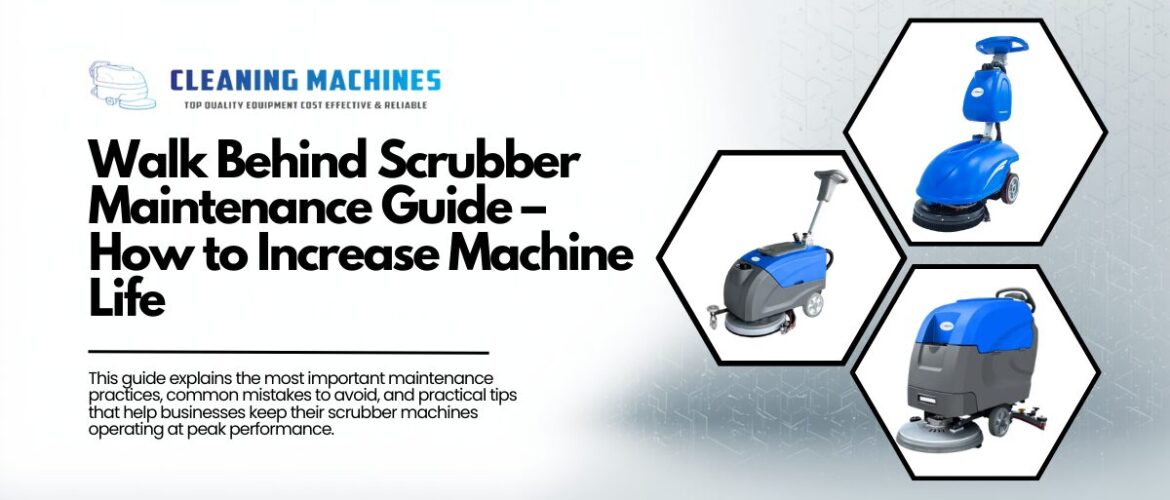
Machines developed by Cleaning Machines, including models like the ScrubX 45, ScrubX 50, or compact options such as the ScrubX 30, are built for demanding commercial environments. When these machines are maintained correctly, businesses can significantly extend their lifespan while maintaining high cleaning performance.
This guide explains the most important maintenance practices, common mistakes to avoid, and practical tips that help businesses keep their scrubber machines operating at peak performance.
Why Is Walk Behind Scrubber Maintenance Important?
Regular maintenance plays a critical role in ensuring that commercial Cleaning Machines perform effectively every day. Scrubber machines operate in demanding environments where they constantly deal with dirt, chemicals, water, and heavy floor traffic.
Without routine care, internal components such as brushes, tanks, batteries, and suction systems can degrade quickly.
Proper maintenance directly impacts several important factors:
1. Machine Lifespan
Commercial floor scrubbers are designed for long-term use, but neglect can dramatically shorten their lifespan. Regular inspections, tank cleaning, and brush replacement help prevent early wear and mechanical failure.
Machines like the ScrubX 50 – Walk Behind Floor Scrubber used in warehouses or large commercial spaces can operate reliably for many years when maintained properly.
2. Cleaning Performance
Dirty tanks, worn brushes, or clogged squeegees reduce cleaning effectiveness. Floors may appear streaky or remain partially dirty after cleaning.
Routine maintenance ensures that scrubber machines deliver consistent results.
3. Battery Efficiency
Battery performance is a major factor in the productivity of commercial scrubbers. Poor charging habits or neglected battery terminals can reduce runtime and shorten battery life.
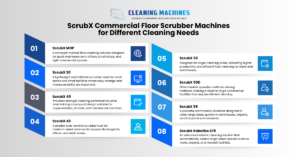
Models such as the ScrubX 55 – Self-Driving Floor Scrubber and ScrubX Robotics S79 Indoor Commercial Floor Scrubbing Robot depend heavily on proper battery maintenance to operate efficiently throughout the day.
4. Lower Repair Costs
Preventive maintenance is significantly cheaper than repairing damaged components.
Regular servicing helps businesses identify small issues before they turn into major mechanical failures.
How Maintenance Impacts Scrubber Performance
| Maintenance Practice | Impact on Machine |
| Daily tank cleaning | Prevents odors and suction blockage |
| Brush inspection | Maintains effective floor scrubbing |
| Battery maintenance | Improves runtime and charging efficiency |
| Squeegee cleaning | Ensures streak-free floor drying |
What Are the Most Common Maintenance Mistakes Operators Make?
Many maintenance issues occur not because machines are poorly built but because operators unintentionally overlook essential care routines.
Understanding common mistakes can help businesses avoid unnecessary equipment damage.
1. Not Cleaning the Recovery Tank
The recovery tank collects dirty water during cleaning. If it is not emptied and rinsed daily:
- Bacteria and odor can develop
- Debris may clog suction systems
- Machine performance can decrease
This issue is common in facilities using compact machines like the ScrubX 30 – Folding Hand Push Floor Scrubber where operators sometimes assume maintenance requirements are minimal.
2. Ignoring Brush Wear
Scrubber brushes gradually wear down as they remove dirt and grime from floors.
If worn brushes continue to be used:
- Cleaning effectiveness drops
- Floors may remain dirty
- Motors may experience extra strain
3. Improper Battery Charging
Incorrect charging habits are one of the most frequent causes of battery failure.
Common mistakes include:
- Leaving batteries discharged overnight
- Overcharging for extended periods
- Ignoring battery terminal cleaning
4. Using Incorrect Cleaning Chemicals
Strong or incompatible chemicals can damage internal components such as seals, hoses, and tanks.
Always follow manufacturer guidelines when selecting cleaning solutions.
5. Skipping Daily Inspections
Many operators begin cleaning immediately without checking the machine.
Quick inspections can prevent problems such as:
- loose hoses
- worn pads
- blocked filters
- damaged squeegees
How Should Operators Clean a Walk Behind Scrubber After Every Use?
Daily cleaning is the most important part of any floor scrubber maintenance guide. It prevents dirt buildup and keeps machines functioning efficiently.
Even compact machines used in smaller facilities require consistent daily care.
Machines like the ScrubX 30, ScrubX 40 – Foldable Hand Push Scrubber, and ScrubX 45 – Walk Behind Floor Scrubber used in retail stores or office spaces benefit greatly from simple cleaning routines after each shift.
Step-by-Step Daily Cleaning Process
- Empty the recovery tank
-
-
- Dispose of dirty water safely
- Rinse the tank with clean water
-
- Clean the solution tank
-
-
- Remove leftover chemicals
- Rinse to prevent residue buildup
-
- Inspect brushes or pads
-
-
- Remove debris or hair wrapped around brushes
-
- Clean the squeegee blades
-
-
- Wipe off dirt and check for damage
-
- Check filters and hoses
-
-
- Ensure nothing is clogged
-
- Dry the machine
-
- Leave tanks open to allow proper air drying
This routine typically takes only a few minutes but dramatically improves machine longevity.
How Often Should Scrubber Brushes and Pads Be Replaced?
Brushes and pads are the primary components responsible for scrubbing dirt from floors. Over time, they wear down due to friction and heavy usage.
If brushes become too worn, they lose their ability to effectively clean floors.
Machines used in large commercial environments such as the ScrubX 50 – Walk Behind Floor Scrubber or ScrubX 50D – Two Methods Self-Driving Scrubber may require more frequent brush inspections due to higher cleaning loads.
Signs That Brushes Need Replacement
Operators should check for:
- flattened or bent bristles
- uneven brush wear
- reduced scrubbing pressure
- streaky or inconsistent cleaning
Typical Brush Replacement Schedule
| Usage Level | Inspection Frequency | Replacement Estimate |
| Light commercial use | Every 2 weeks | 6–12 months |
| Medium commercial use | Weekly | 4–8 months |
| Heavy industrial use | Weekly | 3–6 months |
Regular brush inspection helps maintain cleaning performance while preventing unnecessary strain on the machine motor.
What Is the Correct Way to Maintain Scrubber Batteries?
Battery maintenance is essential for commercial scrubber productivity. Poor battery care can significantly reduce machine runtime and increase replacement costs.
Machines such as the ScrubX 55 – Self-Driving Floor Scrubber and the ScrubX Robotics S79 Indoor Commercial Floor Scrubbing Robot rely heavily on battery efficiency for uninterrupted operation.
Best Practices for Scrubber Battery Care
To maximize battery life, operators should follow these guidelines:
- Charge batteries after each cleaning shift
- Avoid deep discharging
- Keep battery terminals clean
- Check water levels in lead-acid batteries
- Use manufacturer-approved chargers
Proper charging habits can extend battery life by several years.
How Can Businesses Extend the Life of Commercial Scrubber Machines?
Extending the life of scrubber machines requires a proactive maintenance strategy rather than occasional repairs.
Organizations that implement preventive maintenance programs often experience lower equipment costs and fewer operational disruptions.
Key Strategies for Increasing Machine Lifespan
- Create a Maintenance Schedule
A structured maintenance plan ensures machines are inspected regularly.
- Train Equipment Operators
Proper training reduces the risk of misuse and mechanical damage.
- Store Machines Correctly
Scrubbers should be stored:
- in dry environments
- away from extreme temperatures
- with tanks empty and clean
- Use Correct Cleaning Chemicals
Using recommended chemicals protects seals and pumps from damage.
- Schedule Preventive Servicing
Professional inspections help identify internal problems early.
Machines produced by Cleaning Machines, including the ScrubX 45 and ScrubX 50, are designed for commercial durability, but proper care ensures businesses achieve the full value of their investment.
When Should a Walk Behind Scrubber Be Serviced by Professionals?
Even with regular maintenance, certain issues require professional servicing.
Ignoring early warning signs may lead to major mechanical failures or costly downtime.
Warning Signs That Require Professional Repair
Operators should contact professional technicians if they notice:
- reduced suction power
- water leakage from tanks or hoses
- irregular scrubbing patterns
- unusual machine noise
- reduced battery runtime
Professional servicing ensures that complex components such as motors, pumps, and electrical systems are inspected properly.
Why Do Canadian Businesses Trust Cleaning Machines?
Businesses across Canada rely on Cleaning Machines because the company focuses on high-performance commercial cleaning equipment designed for demanding environments.
Several factors contribute to this trust.
Industry Expertise
Cleaning Machines specializes in advanced commercial floor cleaning technology designed for professional facilities.
Durable ScrubX Technology
ScrubX machines are engineered to deliver powerful cleaning performance while remaining easy to maintain.
Solutions for Multiple Industries
Cleaning Machines equipment is widely used in:
- warehouses
- hospitals
- retail facilities
- airports
- shopping malls
- manufacturing plants
Reliable Equipment and Support
From compact models like the ScrubX 30 to advanced systems like the ScrubX Robotics S79, the brand offers solutions for a wide range of commercial cleaning applications.
Frequently Asked Questions
How often should a walk behind scrubber be serviced?
Commercial scrubbers should receive professional servicing at least once or twice per year depending on usage levels. Facilities that operate machines daily may require more frequent inspections. Regular servicing ensures motors, pumps, and electrical components remain in good condition.
How long do commercial floor scrubbers typically last?
A well-maintained commercial floor scrubber can last between 5 and 10 years. Machine lifespan depends on usage intensity, maintenance routines, and battery care. Preventive maintenance significantly improves durability.
What daily maintenance does a scrubber machine need?
Daily maintenance includes emptying the recovery tank, rinsing the solution tank, cleaning brushes or pads, inspecting squeegees, and checking hoses for blockages. These simple steps prevent dirt buildup and maintain cleaning performance.
Can poor maintenance damage scrubber batteries?
Yes. Poor charging habits, deep discharging, and dirty battery terminals can shorten battery lifespan. Proper battery care ensures consistent runtime and prevents expensive replacements.
How do you clean a scrubber machine after use?
After each cleaning shift, operators should empty and rinse both tanks, clean the squeegee blades, inspect brushes, and allow the machine to dry. This process removes debris and prevents bacteria buildup.
What are the most important scrubber maintenance tips?
The most important maintenance practices include cleaning tanks daily, inspecting brushes regularly, maintaining batteries correctly, and scheduling preventive servicing. These actions help extend machine life and improve performance.
